Fish care
A species card is more useful before the catch
Learn the features that separate likely fish before identification becomes a hurried decision.
Read the guide →A freshwater fishing journal
Before the first cast →
You don’t need a mountain of tackle. Start with a workable plan, a little observation and one clear thing to learn.
Your first hour on new water →Learn the features that separate likely fish before identification becomes a hurried decision.
Read the guide →
Use improved visibility as one aid while respecting the limits of what you can see.
Read the guide →
Know which proper shelter you will use before weather interrupts the session.
Read the guide →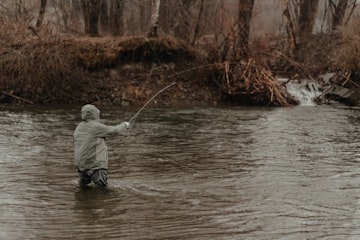
Keep a fishing notebook that records useful decisions instead of turning every trip into a score.
Read the guide →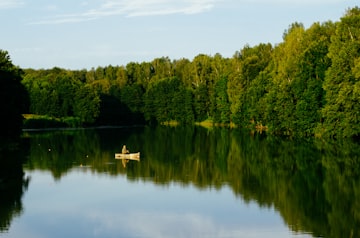
Confirm the setup, condition and return expectations before taking unfamiliar gear to the water.
Read the guide →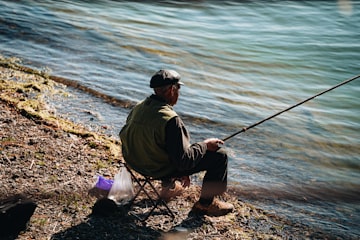
A map symbol is a starting point for a conversation about the actual visit.
Read the guide →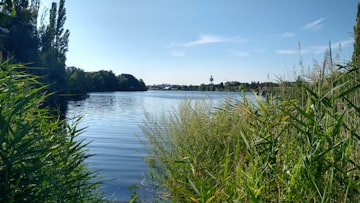
Retain the information that explains what the lure is and how its maker wants it stored.
Read the guide →
A small piece of packaging can answer questions that an unmarked reel cannot.
Read the guide →
Before presenting a lure somewhere interesting, consider how you will bring it back.
Read the guide →
A clear location and a plain account can be more useful than an immediate diagnosis.
Read the guide →
Assess the whole net rather than choosing by handle length alone.
Read the guide →
Build a worthwhile alternative before conditions make catch and release inappropriate.
Read the guide →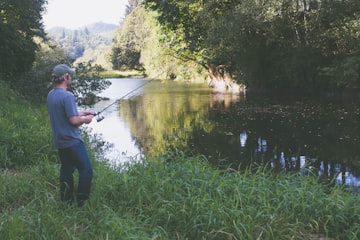
Think through equipment, landing and handling before you need to make those decisions quickly.
Read the guide →
Choose space for the tackle’s movement and other people’s use of the bank.
Read the guide →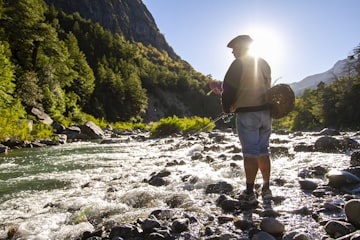
A legal catch and a suitable meal are separate questions to resolve before fishing.
Read the guide →
Make instruction more useful by defining a practical outcome before comparing sessions.
Read the guide →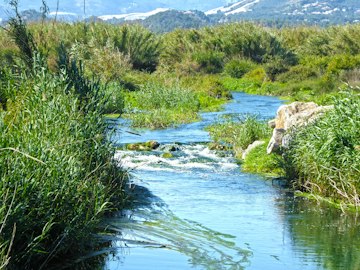
A surface pattern is an observation to investigate, not a guarantee about what lives below it.
Read the guide →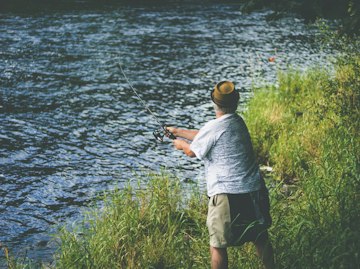
A simple way to arrive, observe and make your first few casts count.
Read the guide →
Recognize when planting, barriers and closed approaches are instructions to choose somewhere else.
Read the guide →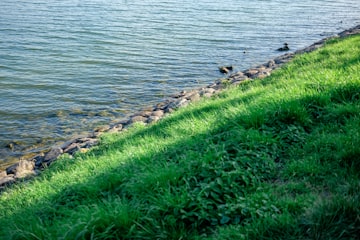
A promising cast is incomplete if the bank offers no manageable way to finish it.
Read the guide →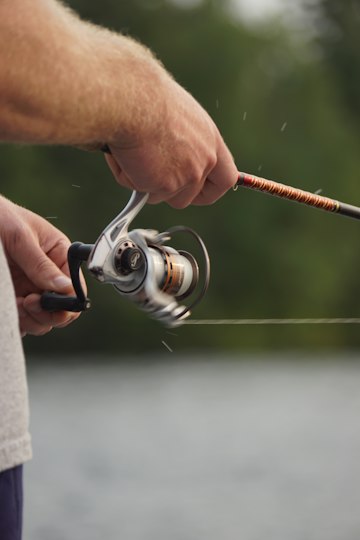
Learn which control does what on your own reel during a calm preparation session.
Read the guide →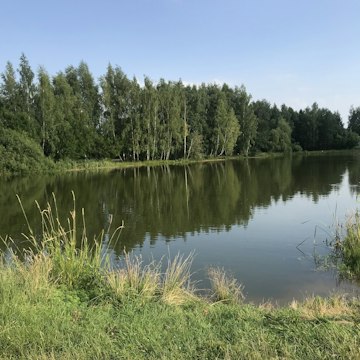
Review control, shared space and the return before making another cast.
Read the guide →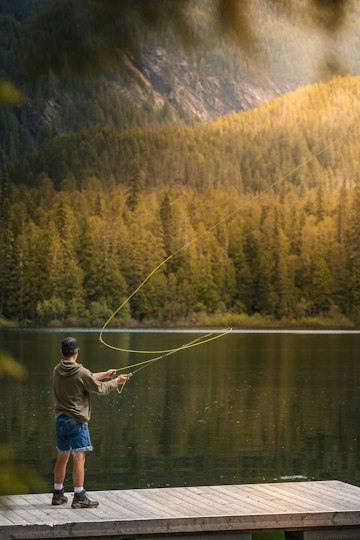
Inspect and describe the problem before letting a small-looking fault return to the ready kit.
Read the guide →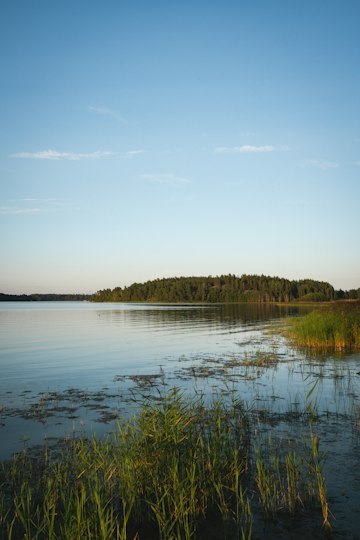
Organize a few familiar lures by their intended job instead of building a color collection.
Read the guide →
A predictable packing sequence protects equipment and keeps sharp parts contained.
Read the guide →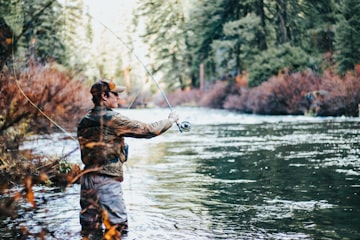
Arrange sharp tackle so choosing one item does not expose every other item.
Read the guide →
Learn whether you can repeat an intended presentation before collecting more variations.
Read the guide →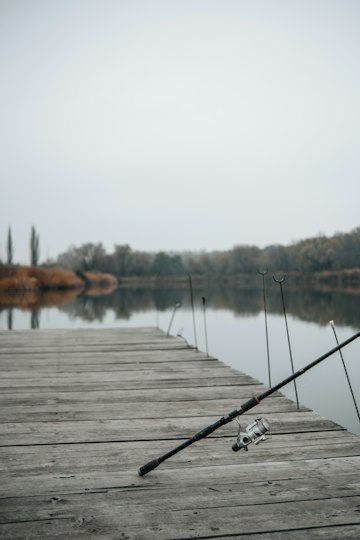
Build a useful bank-fishing kit around the session you have planned, rather than every possibility.
Read the guide →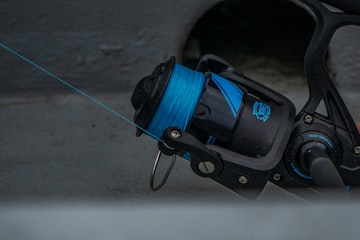
Extract the decisions for one water while keeping the official source close.
Read the guide →
Visibility and control are practical requirements, not cosmetic preferences.
Read the guide →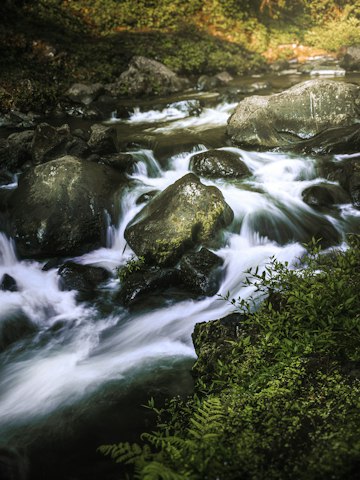
Observation can support learning while leaving stones, vegetation and aquatic habitat in place.
Read the guide →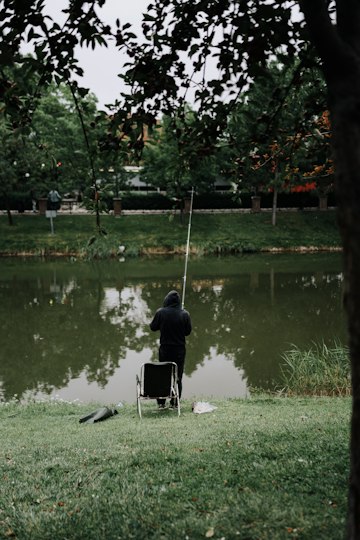
Concrete setup details help an expert offer more useful advice.
Read the guide →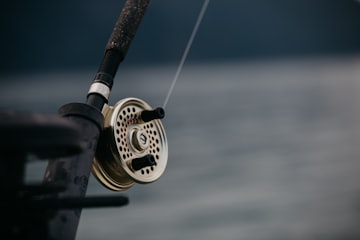
Use the model’s specifications to ask better questions about the setup you already have.
Read the guide →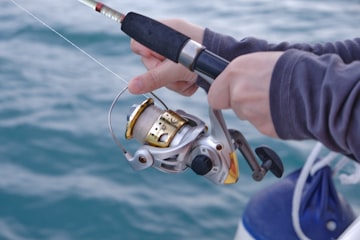
Solve the reach problem before adding another accessory.
Read the guide →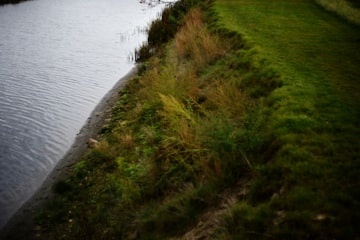
Learn the edges, access and visible life without needing to turn every visit into fishing.
Read the guide →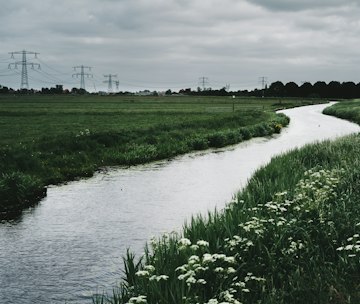
Record when the problem begins instead of replacing several parts of the setup at once.
Read the guide →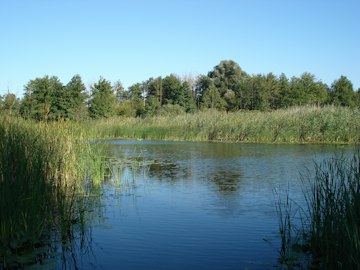
A ruler is only useful when it matches the authority’s definition and your handling plan.
Read the guide →
A modest target teaches control more clearly than chasing the longest cast.
Read the guide →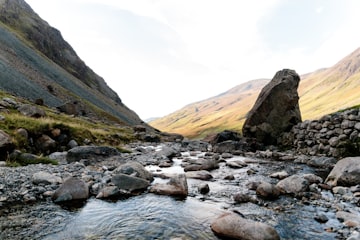
Rain outside your immediate view can still matter to the water you intend to fish.
Read the guide →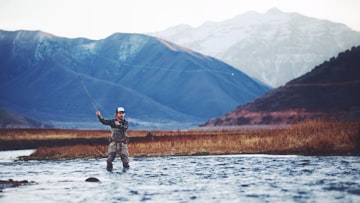
A loose coil should never become an invisible part of the bank.
Read the guide →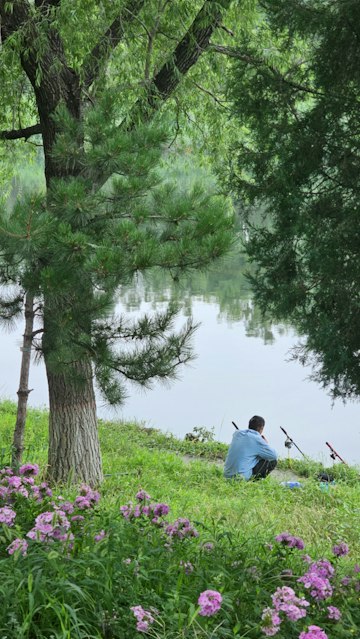
Plan a short introduction around attention, comfort and supervision.
Read the guide →
Read the conditions behind an impressive session before turning it into a personal benchmark.
Read the guide →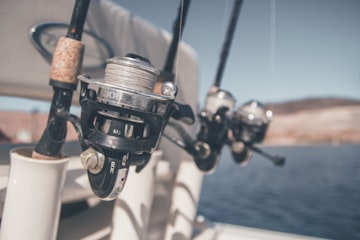
Keep the choice, source and disposal plan connected before buying live bait.
Read the guide →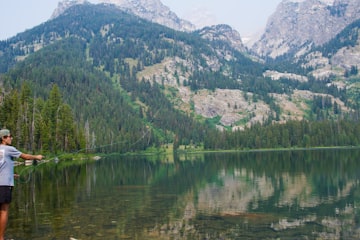
Two familiar label words describe different aspects of a rod, so keep both in the conversation.
Read the guide →
Read the assumptions behind the specification before treating a printed range as a measured presentation.
Read the guide →
Learn the local status of a fish rather than assigning a label from its appearance or popularity.
Read the guide →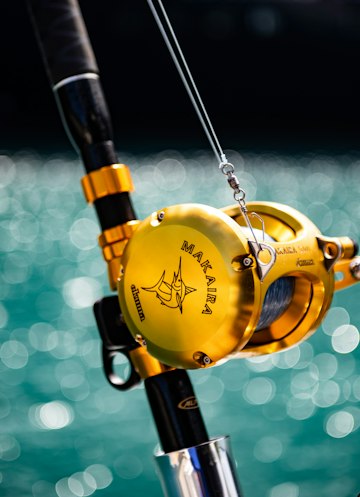
Plan the change of venue around current biosecurity requirements rather than a quick rinse assumption.
Read the guide →
An agreed photo plan removes one source of delay when care matters most.
Read the guide →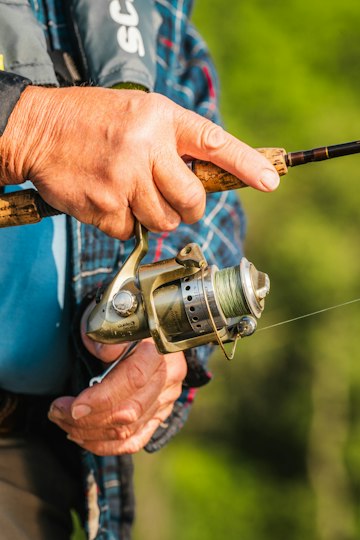
Learn a suitable connection at home and keep the practice separate from a rushed session at the water.
Read the guide →
Give wet equipment a clear route from the riverbank to the next session.
Read the guide →
A hydrograph provides context, but its labels need careful interpretation.
Read the guide →No matching guides. Try another word or choose All articles.
READY FOR THE WATER?
A short bank session starts with a clear plan. Check the essentials, choose a finish time and leave room to change your mind.
Planning your first hour →Marks are saved on this device.An independent fishing journal. Photographs illustrate the subject; they are not reports from our own trips.