Define the practice in plain language
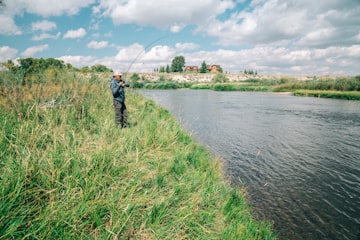
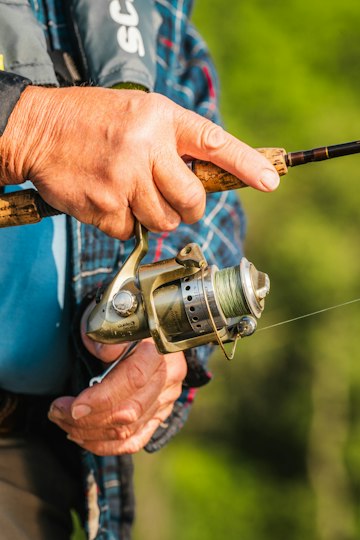
Choose a familiar legal method and an appropriate lure, following qualified instruction and the manufacturer’s guidance. Write the particular action you want to repeat, rather than a broad ambition to improve your fishing. Rapala’s depth-chart guidance identifies retrieve speed as one influence on lure behavior. That makes control a useful learning subject, but not a reason to claim an exact underwater path from the movement of your hand. Keep the practice within a range and position you can manage.
Hold the ordinary setup steady
Avoid changing lure, line, position and technique after every quiet spell. Work on the action you selected while keeping the rest of the session manageable. If the position repeatedly produces snags or an awkward return, pause and choose a more suitable arrangement rather than forcing the exercise. Notice whether the difficulty concerns the motion, the equipment or the bank. A qualified instructor can help distinguish those questions if you cannot establish why the intended presentation remains hard to reproduce.
Finish with a description of control
Record whether you could repeat the action, what interrupted it and which question remains. Keep catch results separate from that assessment. A single bite does not demonstrate that you mastered the presentation, while an unproductive session can still show an improvement in consistency. Plan the next practice around a specific difficulty, and keep it short enough to remain deliberate. The purpose is a familiar skill you can describe and assess, not a ritual you repeat without knowing what successful execution would look like.
This article combines general educational guidance with original planning exercises. It does not claim first-hand field testing or an endorsement from the linked organization. Sources checked October 2026.