Make the plan before the cast
New water can make every spare lure seem essential. A better starting point is a short session plan: the area you intend to fish, the time available and what would make you leave early. Check permission, current local regulations and any licence requirements with the relevant authority. A public path beside a river is not automatically permission to fish it. This guide is a planning exercise, not a report of conditions or permission for a particular water.
Give the place a few quiet minutes
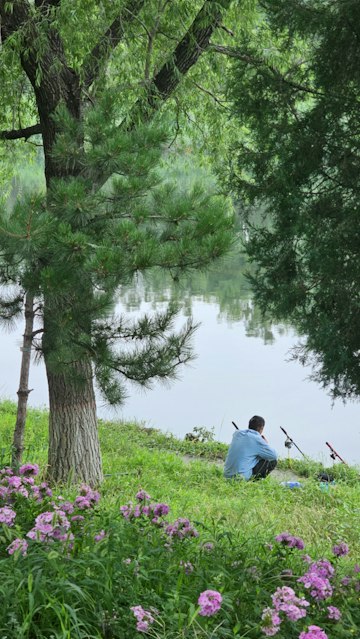
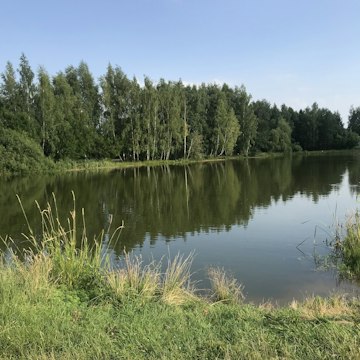
Stand back from the edge and look before unpacking. Note where you can cast without crossing another person’s space, where branches could interfere and where you could land a fish without scrambling down a steep bank. Watch the surface and the way floating leaves move. These are observations to record, not proof that a particular species is waiting in a particular spot. Stay on stable, permitted ground; you do not need to enter the water to learn from it.
Choose one manageable starting approach
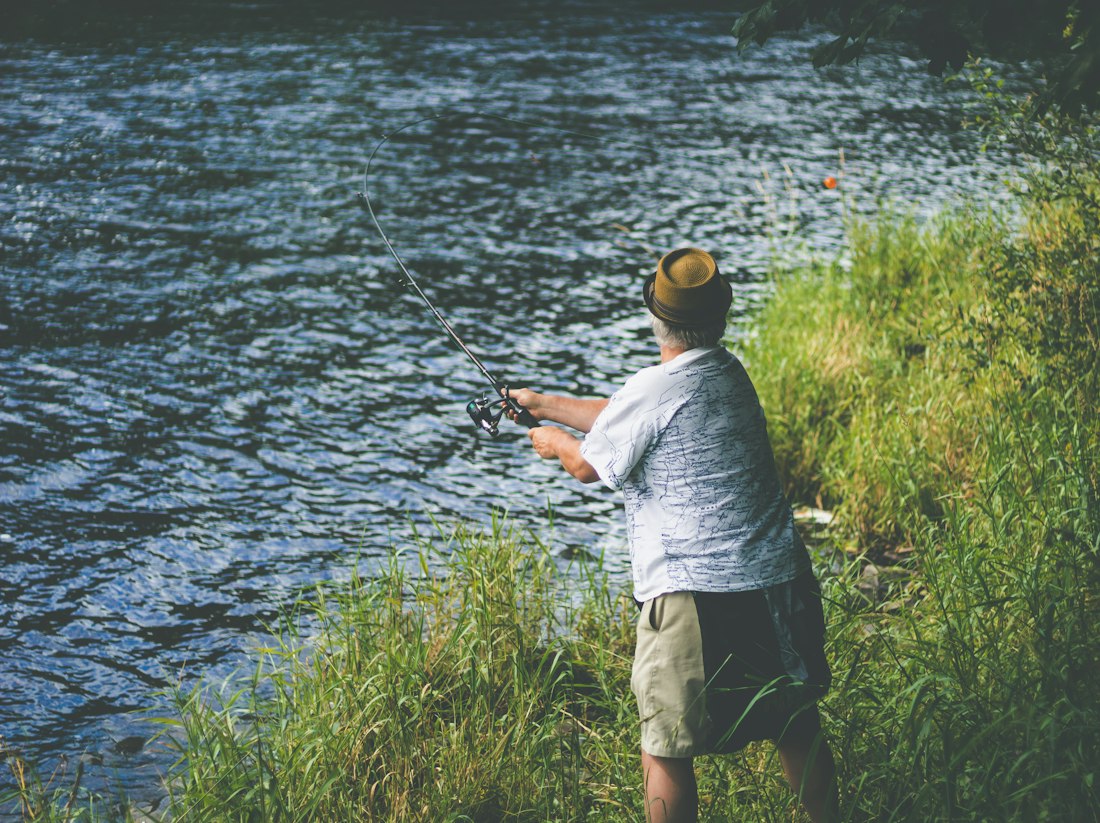
Pick an uncomplicated, legal method that suits the water, the species you intend to target and your experience. Keep the first few casts within a distance you can control. Before casting, check behind and beside you for people and overhead obstacles. Avoid judging the entire location after a few uneventful minutes. First establish whether your setup is working as intended and whether you can repeat the presentation without tangles or difficult retrievals.
Change one thing and keep a note
Give the session one question: does a different permitted casting position make the presentation easier, for example? Change one element at a time so you can describe what happened. Record the actual duration, conditions you observed, method and any problems. A blank session can still produce a useful answer about access, comfort or tackle. Finish at the time you planned, take litter home and leave yourself a clear reason for the next visit.
National Park Service: fishing in parks ↗
This article combines general educational guidance with original planning exercises. It does not claim first-hand field testing or an endorsement from the linked organization. Sources checked October 2026.