Plan for the fish, not the photograph
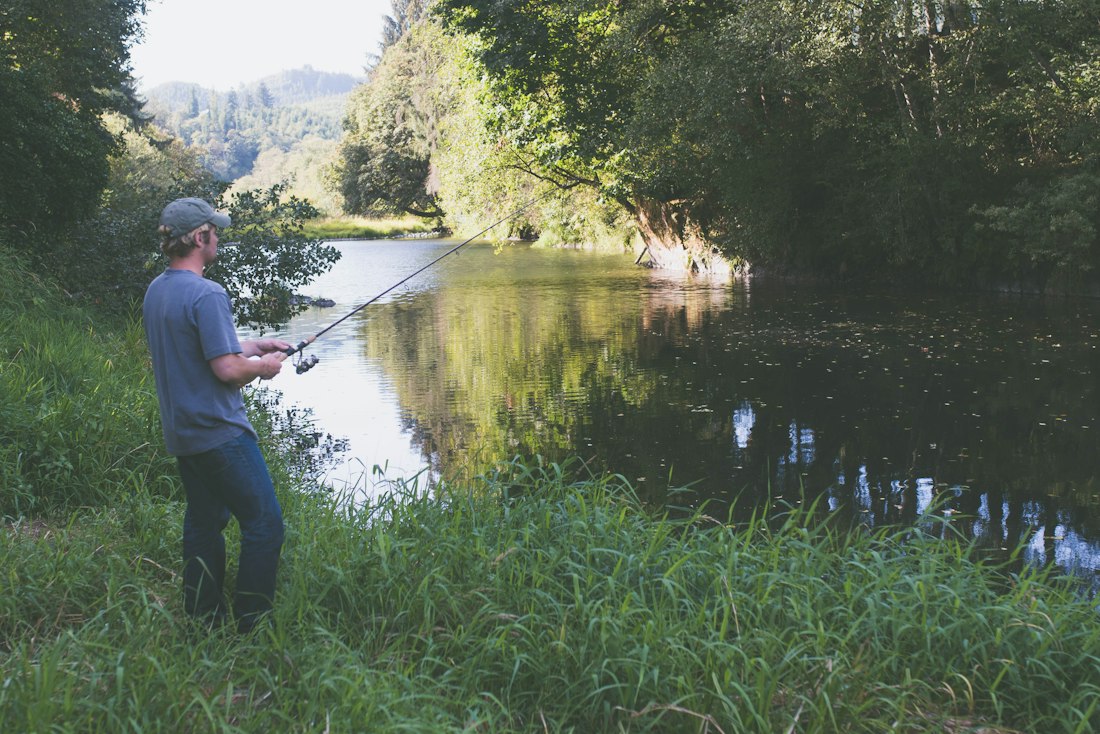
If release is part of your fishing, prepare before casting. Learn the current local rules and species-specific guidance, and consider whether conditions make fishing appropriate at all. The National Park Service advises curtailing fishing when low flows and high temperatures leave fish under stress. No general article can replace current local advice. A decision to observe the water instead is still a valid way to spend the session.
Put the useful tools within reach
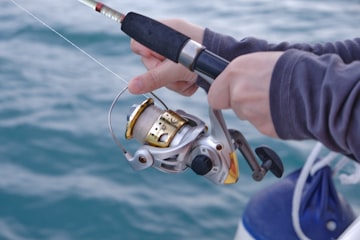
Use appropriately matched tackle and have suitable landing and unhooking equipment ready. NPS guidance recommends soft, knotless or rubber landing nets and properly sized single barbless hooks to reduce handling difficulties. Follow the rules for your water, which may set different requirements. Before starting, identify a landing position you can use without putting yourself at risk. If the only route requires an unstable scramble, choose somewhere else.
Reduce the handling, keep the support
Keep the fish in the water as much as possible, use wet hands when handling is necessary and support it gently. Do not squeeze it or hold it by the gills. A photograph is optional. Put the camera away if it would add delay or require awkward handling. If you are unfamiliar with the species or the appropriate release method, get practical instruction from a qualified local source before targeting it.
Practise the sequence without a fish
At home, arrange the net, tool and bag as you would use them. Check whether you can reach the tool without balancing equipment on the bank or leaving hooks exposed. That rehearsal is an original planning exercise, not a substitute for instruction. After a session, record any awkward step and change the arrangement before the next trip. Preparation is useful because the easiest moment to solve a handling problem is before it exists.
National Park Service: successful catch and release fishing ↗
This article combines general educational guidance with original planning exercises. It does not claim first-hand field testing or an endorsement from the linked organization. Sources checked October 2026.