Use what is already moving
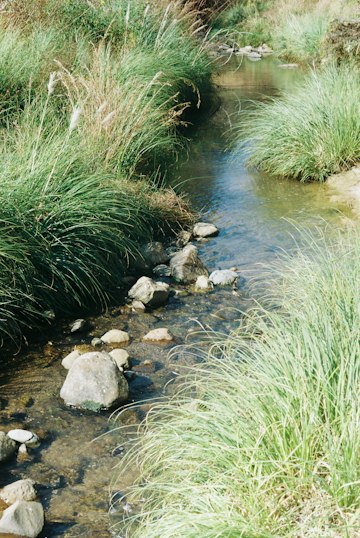
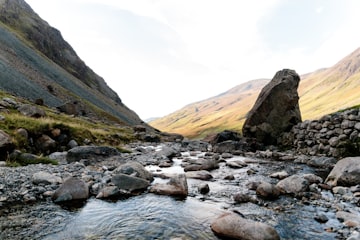
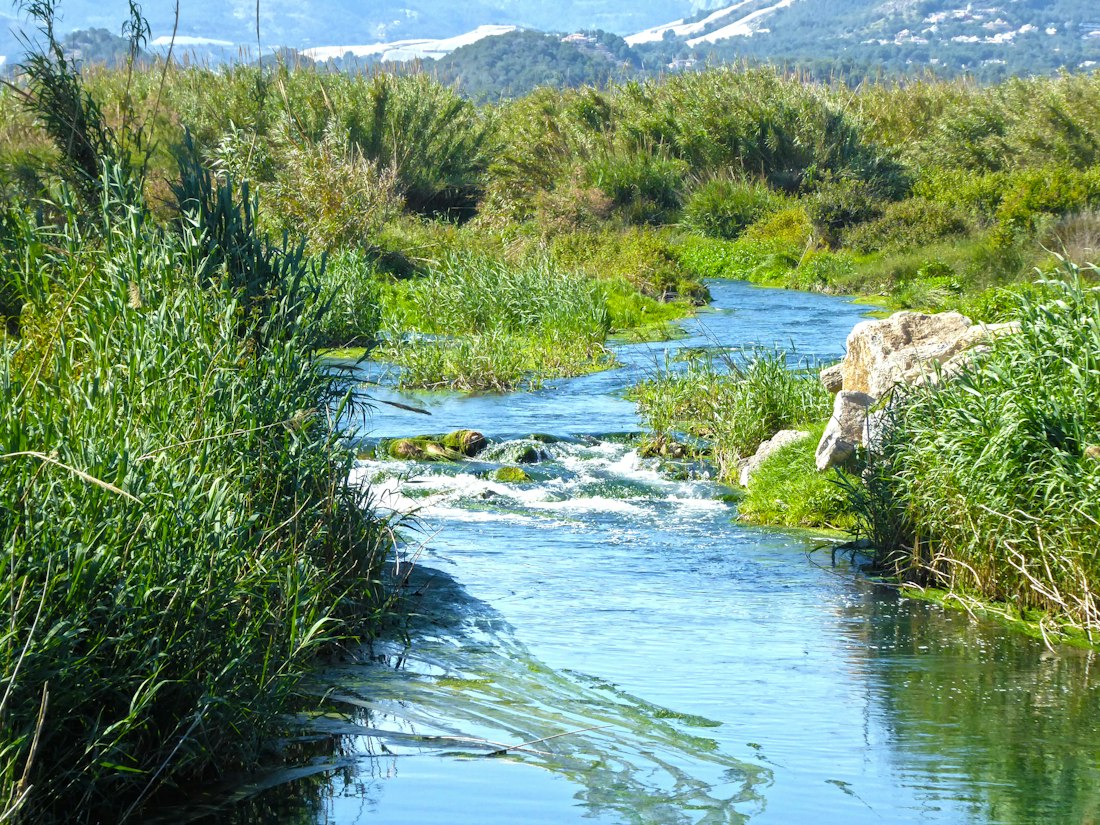
From secure, permitted ground, watch naturally drifting leaves or foam and notice where their movement differs. Do not throw objects into the water as markers. USGS describes streamflow as changing over time. Keep the exercise limited to the surface movement visible during your visit. Sketch a broad boundary between faster-looking and slower-looking movement without claiming that you have measured velocity, established depth or located fish. A plain observation remains useful without a confident underwater story.
Add the viewing conditions
Note your position, the visible reach and interference such as glare, wind or vegetation. A pattern may be difficult to follow because of the view rather than because the water is uniform. Avoid moving onto an unstable edge for a better angle or entering the water to verify a guess. Keep the page honest about what was hidden. If you cannot distinguish a pattern clearly, write that result instead of drawing a line where you expected one.
Connect the sketch to a learning question
Compare the observation with a reliable local instructional source or ask a qualified angling educator how surface movement relates to an appropriate bank presentation. Do not turn the sketch directly into a rule about where to cast or a prediction of fish activity. On another suitable visit, record the scene afresh before reviewing the earlier sketch. The useful skill is seeing change and uncertainty more clearly. That gives later instruction a concrete example to work with instead of an imagined perfect river.
U.S. Geological Survey: Streamflow and the Water Cycle ↗
This article combines general educational guidance with original planning exercises. It does not claim first-hand field testing or an endorsement from the linked organization. Sources checked October 2026.