Give the visit a modest purpose
Choose one question you can answer from safe, permitted ground: which established access point is usable, where glare obstructs your view or whether a bench offers a comfortable pause. NPS responsible-fishing guidance includes avoiding sensitive areas. Keep the observation within that boundary. Leave tackle unassembled so there is no pressure to squeeze in a few casts or move closer to a feature. The purpose is becoming more familiar with the place as it is available to you.
Describe visible zones
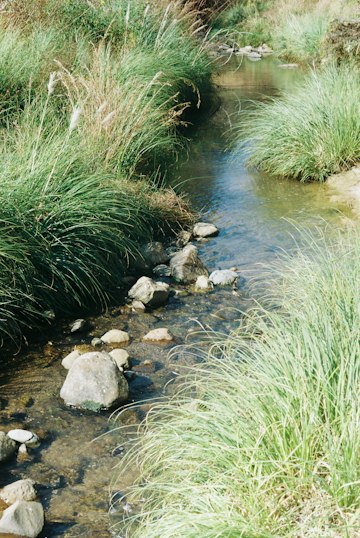
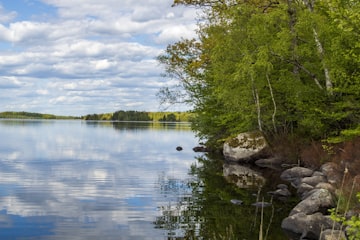
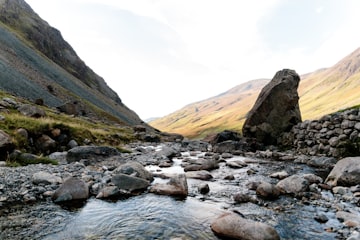
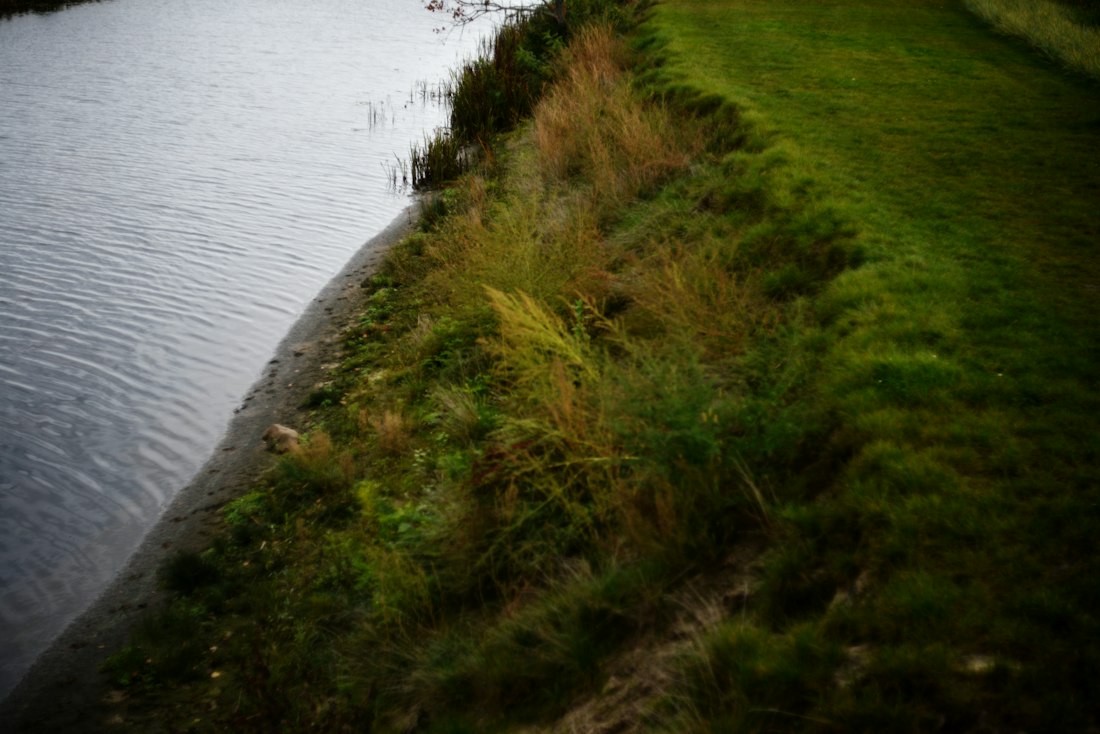
Make a rough sketch of open water, vegetation and established bank access. Mark areas you cannot see and do not infer depth from color alone. If fish or other wildlife appear, record the sighting without treating it as a complete inventory. Avoid feeding animals or manipulating the water to obtain a clearer view. A short observation can be rich in practical detail while remaining modest about the biological conclusions it supports.
Use the result to design a later visit
At home, decide whether the pond offers a manageable, legal fishing session for your abilities and equipment. The answer may depend on information from the land manager rather than another walk. Keep the dated sketch as a personal observation, not a permanent access guide for strangers. If you return, reassess conditions before relying on it. A tackle-free visit earns its place by reducing uncertainty. It does not need to prove that a particular corner will produce fish.
National Park Service: Responsible Fishing ↗
This article combines general educational guidance with original planning exercises. It does not claim first-hand field testing or an endorsement from the linked organization. Sources checked October 2026.