Read the chart’s own qualification
Rapala explains that its depth chart describes lure families under optimum conditions and that line and retrieve or trolling speed affect running depth. Keep that qualification with the range you record. Do not copy a number into a notebook as if it were a measurement from your session. Identify the exact lure and the intended method before comparing specifications. A family chart is useful background, but it cannot tell you the shape of the bed or the location of a fish.
Ask what you actually observed
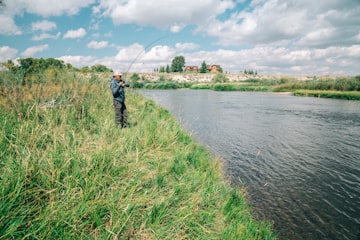
Separate visible information from the behavior you infer beneath the surface. You may know the lure model and the way you retrieved it without knowing its exact depth through the cast. Avoid describing bottom contact or a specific underwater route when you did not establish it. Seek suitable instruction for the method and choose a manageable legal presentation from a safe bank. Do not enter the water or attempt an unsafe recovery to verify a guess.
Keep the specification and the session apart
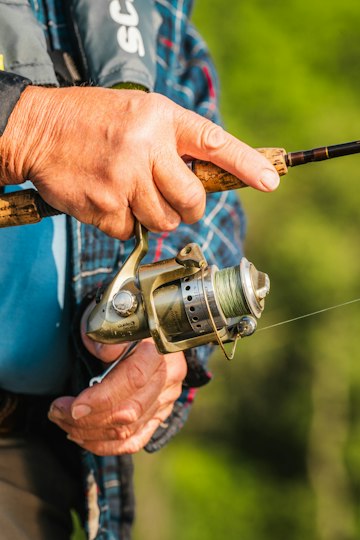
In your notes, give the maker’s range one field and your observed results another. Include line identification and the practical limitations of the position. When seeking advice, show both fields so an experienced instructor can explain the relevant variables. Changing a lure can be sensible, but a different package number does not resolve every uncertainty about the water. Learning to distinguish a published specification from a field measurement makes equipment conversations more precise without requiring a complicated experiment.
This article combines general educational guidance with original planning exercises. It does not claim first-hand field testing or an endorsement from the linked organization. Sources checked October 2026.