Trace the whole path
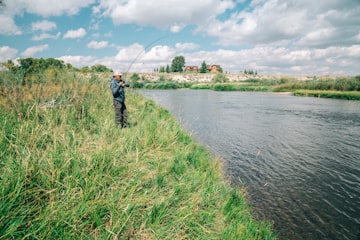
Look at the intended casting area and the route the tackle would take back toward you. Take Me Fishing teaches casting as a sequence that includes retrieving. Visible vegetation, other anglers and your landing position all matter to the complete movement. Do not assume that a space is usable simply because you could send a lure into it. Stay on safe, permitted ground while assessing it and choose a simpler presentation when the return is unclear.
Start with a manageable rehearsal
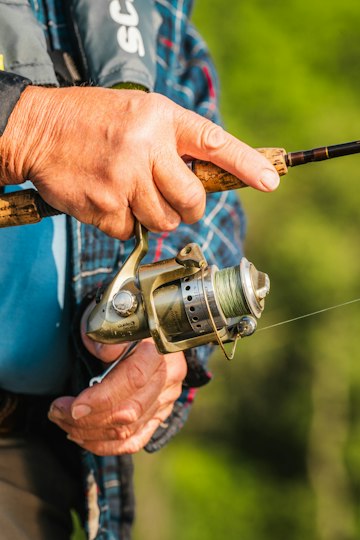
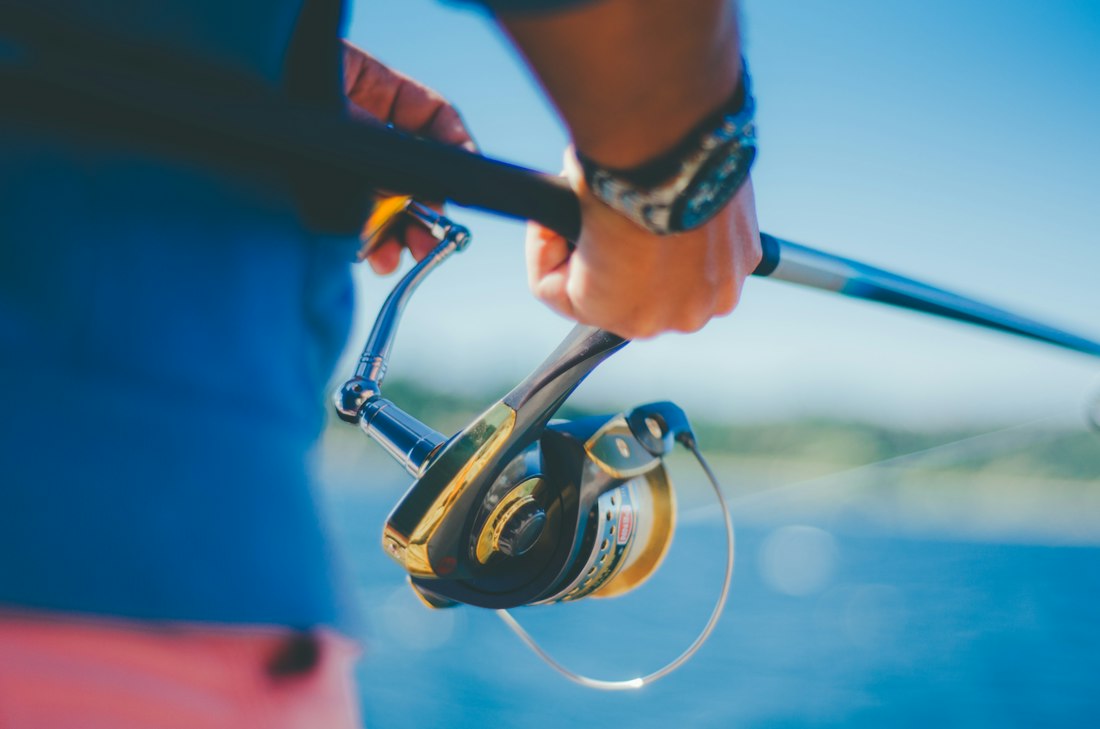
Use appropriate instruction and a suitable legal setup at a range you can control. Notice whether the tackle returns through the intended area without repeatedly creating a difficult situation. Avoid trying to rescue a poor choice with a harder cast. If you need instruction on a particular retrieve, ask a qualified person to demonstrate it for the actual equipment. Separate learning the technique from trying to reach the most obstructed or ambitious piece of water.
Change the position when needed
If the retrieve repeatedly brings tackle into trouble, pause and reassess the casting position, range or method. Do not wade or climb to recover an object from an unsafe location. Follow responsible local guidance for handling snagged tackle and keep people clear of tensioned line. Afterward, write down the actual limitation of the position. The useful skill is seeing a presentation as a complete journey, including the return, rather than judging a cast only at the moment it lands.
Take Me Fishing: How to Fish guide ↗
This article combines general educational guidance with original planning exercises. It does not claim first-hand field testing or an endorsement from the linked organization. Sources checked October 2026.