Look at the end of the sequence
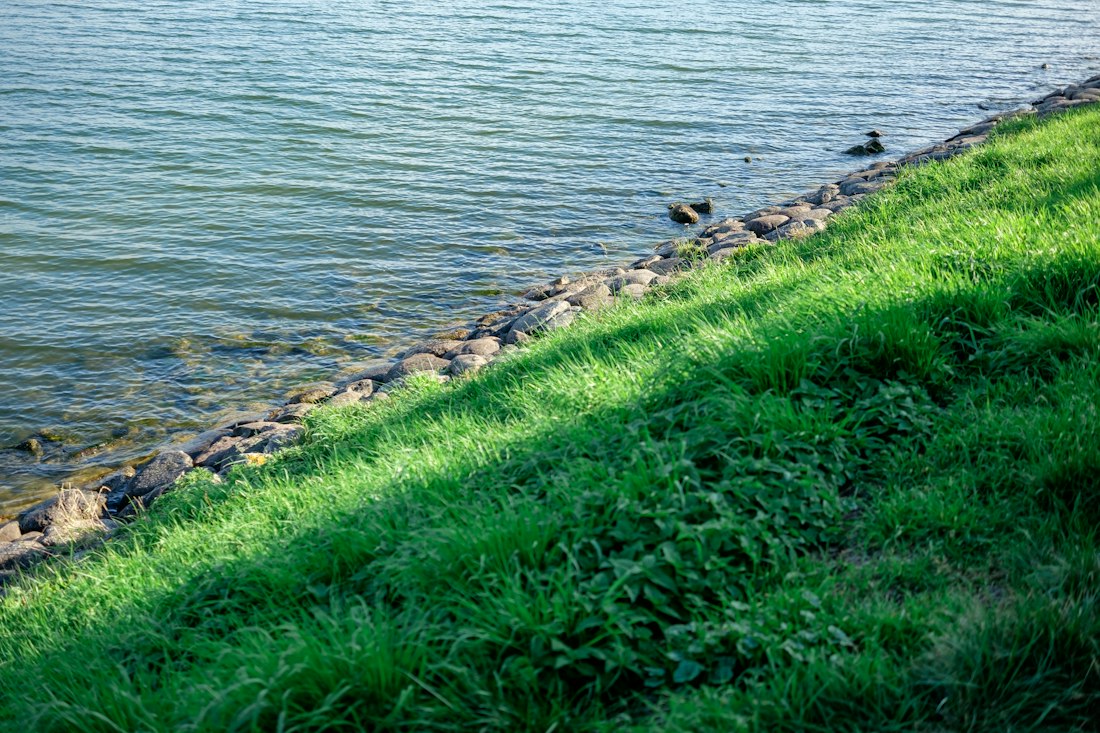
Before unpacking, assess how you would land and release or legally retain a fish from that position. NPS catch-and-release guidance favors appropriate landing equipment. Do not choose a casting point that would require scrambling down an unstable edge later. Stand back and inspect the whole area from secure ground. If you cannot see a manageable way to finish, select another permitted place. An attractive piece of water does not compensate for a poor landing arrangement.
Match the equipment to the position
Check whether the suitable net and tools can be used comfortably from the chosen ground without leaning dangerously or entering the water. Follow species-specific and local guidance for handling. A dry rehearsal of tool locations can reveal whether a bag blocks the net or an unhooking tool is buried. Keep other sharp tackle contained. Do not discover only after a catch that your landing equipment is inaccessible or that the chosen spot depends on a companion standing somewhere unsuitable.
Let the position limit the session
If conditions change or other visitors make the arrangement unworkable, pause and reassess. Avoid continuing solely because the tackle is already assembled. After a session, record any awkward step and change the location or arrangement next time. The right lesson may be choosing a less dramatic bank rather than buying a longer accessory. Fishing begins with a presentation, but responsible preparation includes the less visible work needed to bring the encounter to a controlled, considerate finish.
National Park Service: Successful Catch and Release Fishing ↗
This article combines general educational guidance with original planning exercises. It does not claim first-hand field testing or an endorsement from the linked organization. Sources checked October 2026.